At Home with Benedetta Tagliabue
For the Italian architect, a home should be constantly evolving; the reflection of an ever-changing life. Her slice of paradise in the heart of Barcelona is proof of that
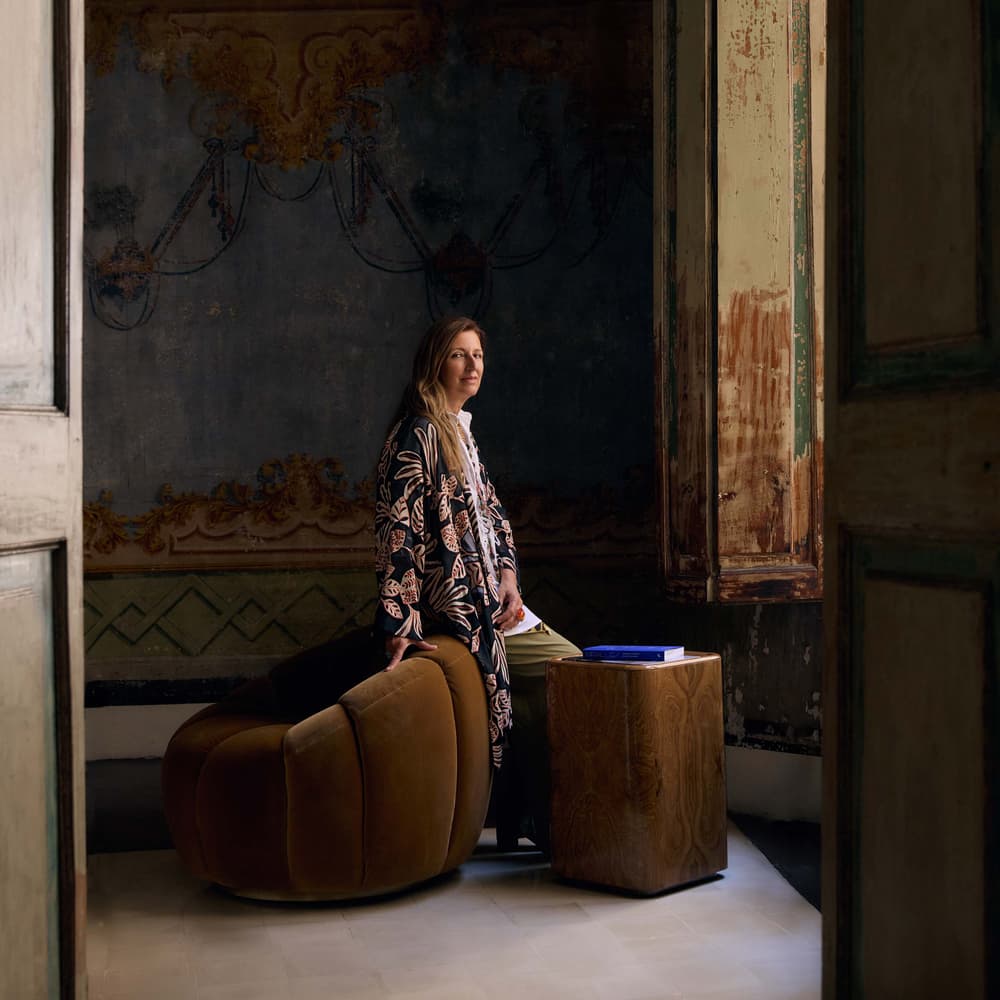
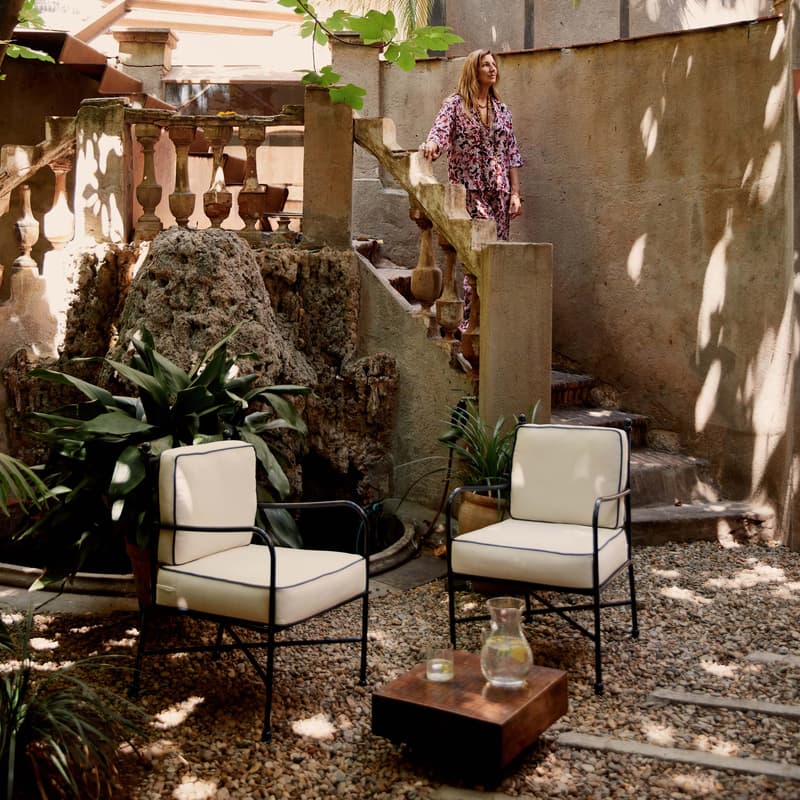
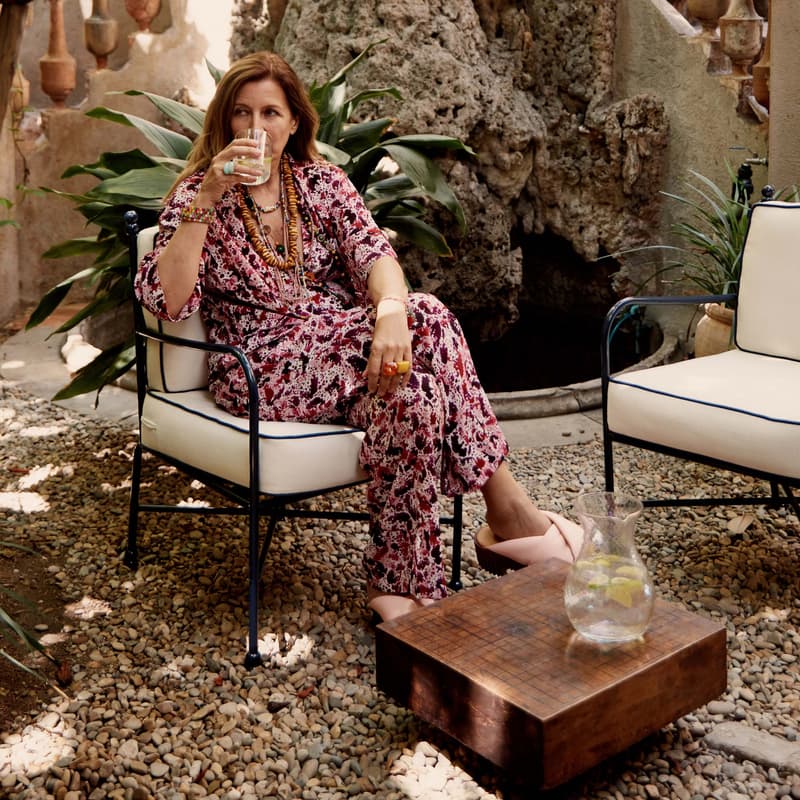
From the outside, little sets the home of Benedetta Tagliabue apart from the others lining the streets of Barcelona's Gothic Quarter. But once you enter through the unassuming brown door, you'll discover the unexpected: an airy labyrinth of a home, more than four decades in the making, set around a bright, greenery-filled courtyard.
When you enter, you feel like you're transported to the countryside. There's no noise, no feeling of a big city around you
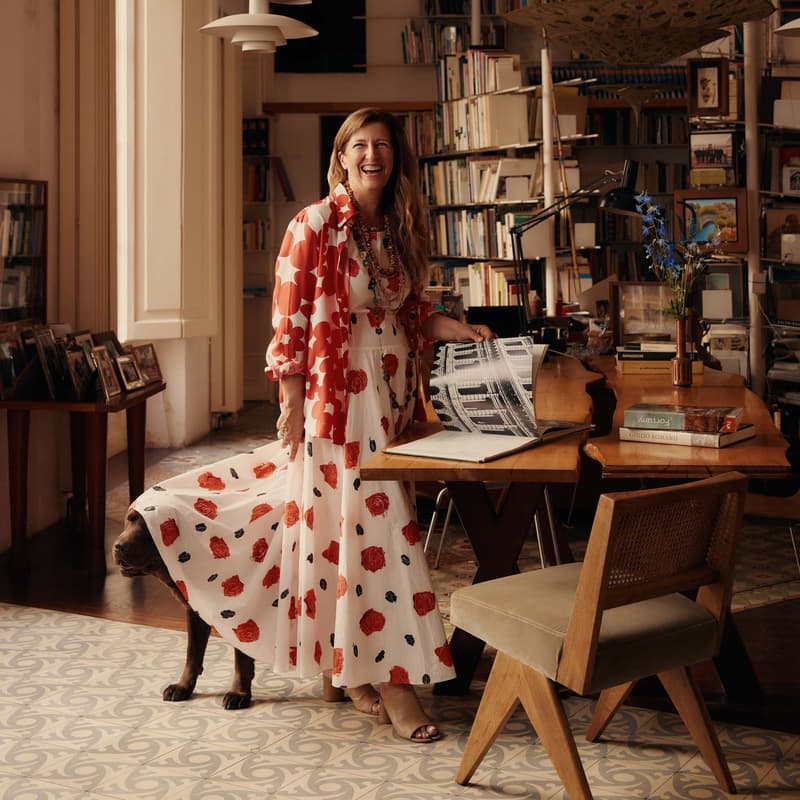
'You know, I notice that people seem to get lost the first time they come to this home. They're sort of puzzled by it,' Tagliabue laughs. 'To me, it is very simple: we have a courtyard in the middle, which you can always orientate yourself around. But someone once asked me if it was a museum.'
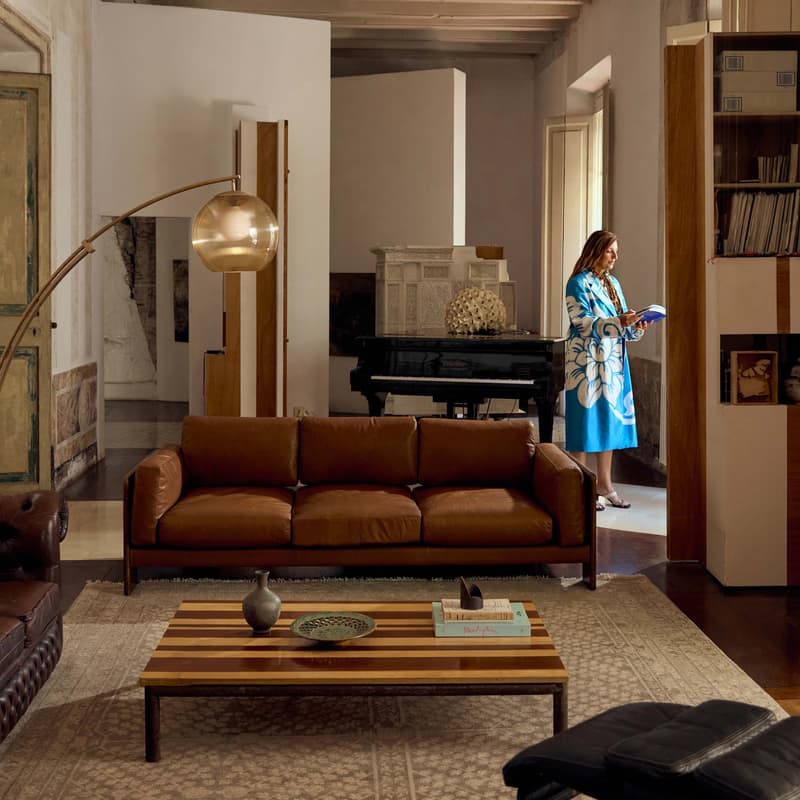
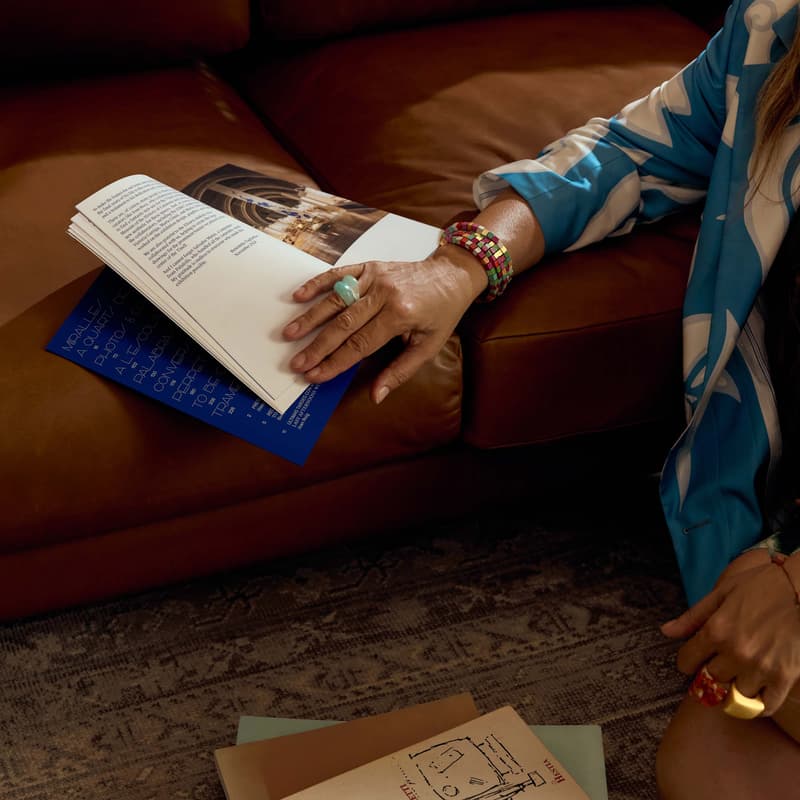
There's certainly something about the architect's home that evokes an almost exhibition-like atmosphere: it's quiet, calm and filled with paintings, books and trinkets she's collected over the years. Almost the entirety of one side of the courtyard is occupied by a de facto library: a double-height room filled with near-endless shelves of books, some only accessible by steps.
Today's vision is a far cry from how she found the home back in the early 1990s, long before this area of Barcelona became the cultural hotspot it is now.
'My late husband [Enric Miralles] convinced me to move to the city from my home in Italy. Back then, nobody wanted to live around here, it was more or less empty,' she says. 'When we found this building, it was grey and empty. It had been used to store buttons. We knew we could create whatever we wanted.'
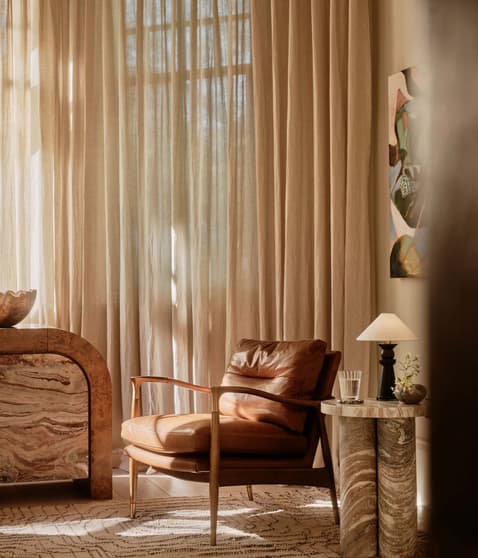
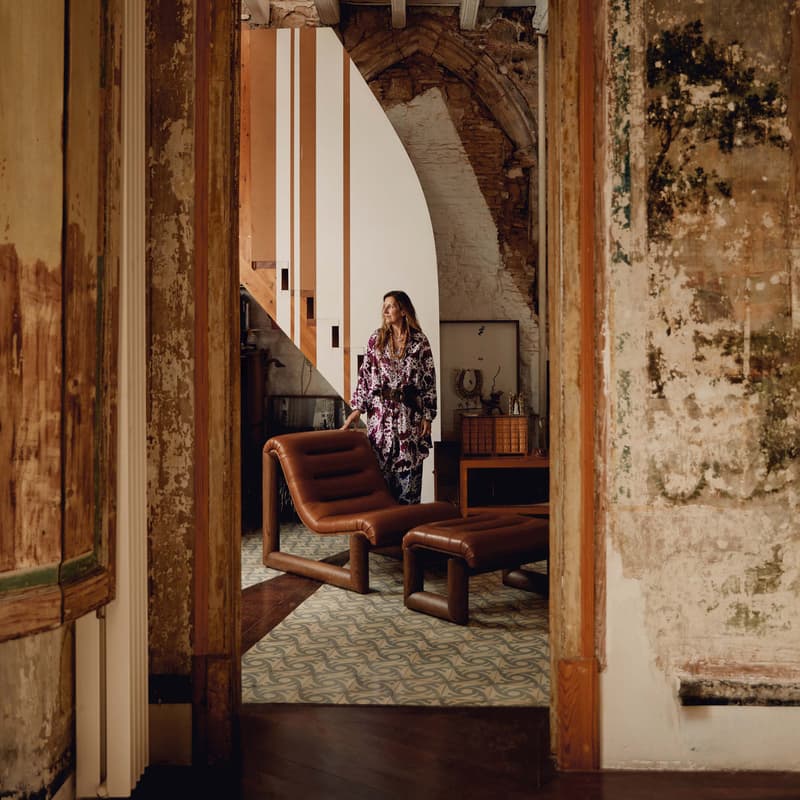
For the pair, this meant paying homage to a building steeped in history: gothic details dating back 1,000 years, and arches and columns crowned with sculptures of lions and angels that originate from the 14th or 15th century, Tagliabue guesses. In the study, beyond an antique wooden desk and the Soho Home Garret Armchair, there's an intricate fresco, unearthed when stripping the walls of years of white paint.
This is all part of what Tagliabue describes as the 'collaging' of the design process, 'done little by little, as we learned from the house'. Rooms were formed based on the space's natural light, with walls erected to make the most of the windows. Later, the layout changed again.

'When I got pregnant, we realised we needed a bedroom for children - at the time there was only ours,' she says. 'It's all part of the home's narrative. I like the idea of a constantly evolving home.'
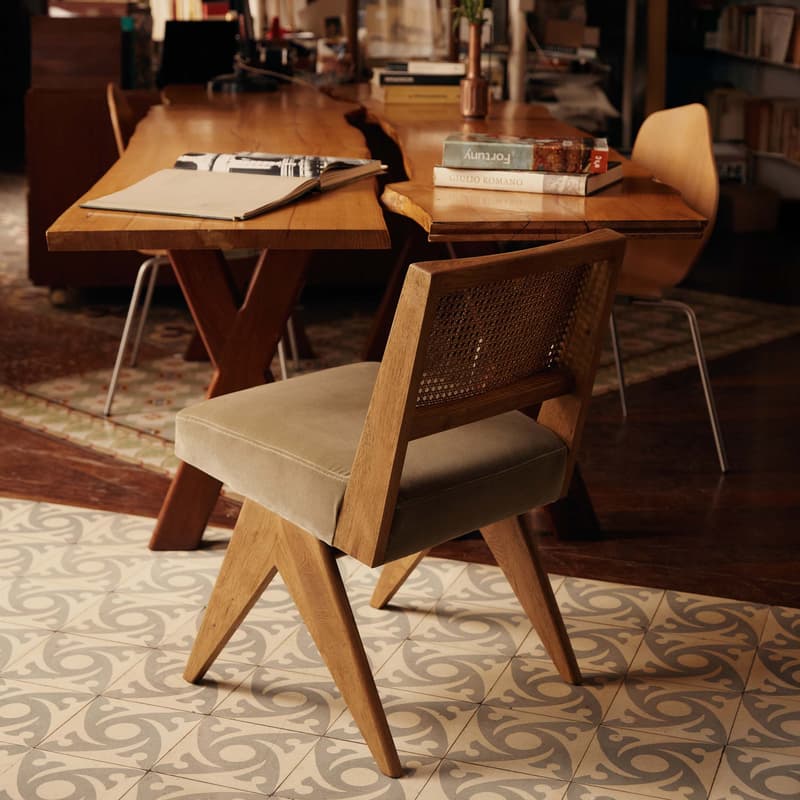
Of course, there was also the couple's contrasting tastes to consider. Miralles, also an architect, brought a cleaner, more modern aesthetic to Tagliabue's Italian influences. Her 'ornate Venetian maximalism', she smiles. Together, they chose sleek and simple furniture, largely made of wood, and paired it with an abundance of art and books, plus patterned floor tiles, rescued and repurposed as part of the renovation process.
Ultimately, their goal was to create a space that felt calm. 'When you enter, you feel like you're transported to the countryside. There's no noise, no feeling of a big city around you,' says Tagliabue.
One of the final additions to the house came in the early 2000s, a few years after Miralles' unexpected passing. As Tagliabue explains, 'We continued to create the house together. He was always trying to convince me we needed a swimming pool. When he passed away I said, "Oh, now I have to do the swimming pool." We made thousands of mistakes in the process of adding it, but now it's a beautiful space.'
Miralles' presence is still felt throughout the house - not only in the architecture, but in the furniture, too. 'One item I love is the entry table,' says Tagliabue. 'It was designed by my late husband as something to welcome people into our home when they walked through the front door. It can be moved around and adjusted for the space and our needs - in that way, it's almost an inhabitant of the house,' she adds.
'Nowadays, people come to me and ask for permission to make reproductions of it. I've discovered, after nearly 30 years, that other people love it just as much as I do.'