In conversation with Giles Deacon
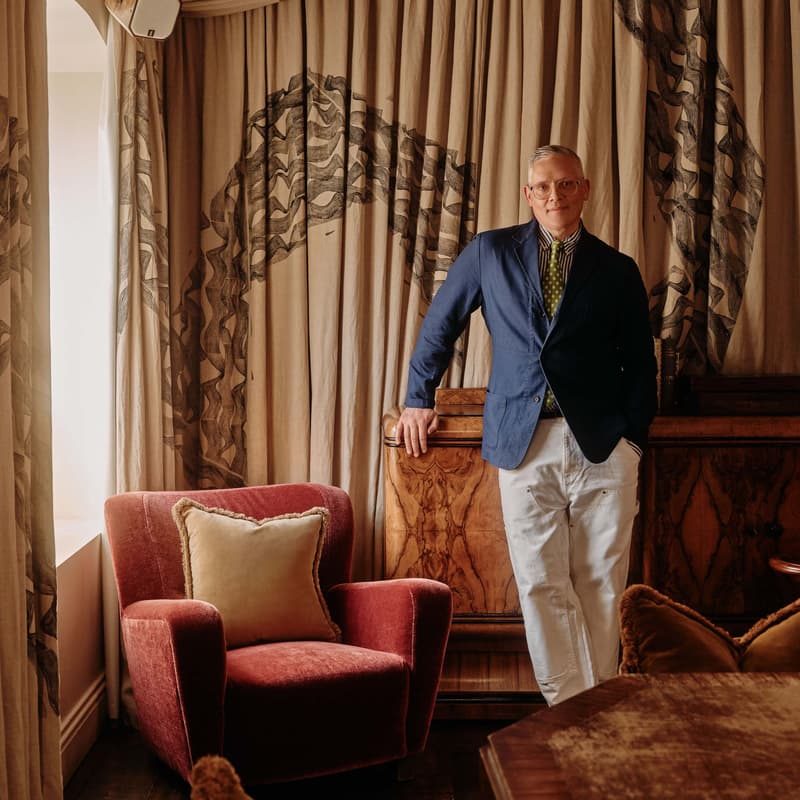
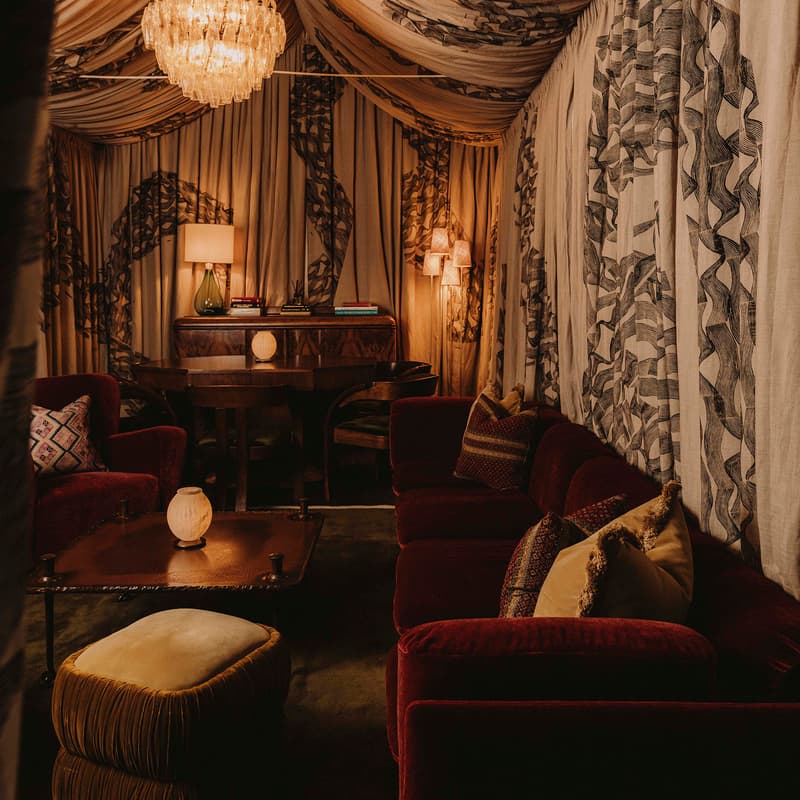
Soho House collaborated with the British fashion designer, illustrator, and artist to transform our original House, 40 Greek Street, into an immersive dining space. Now, he joins us at Soho Mews House to talk through his creative process
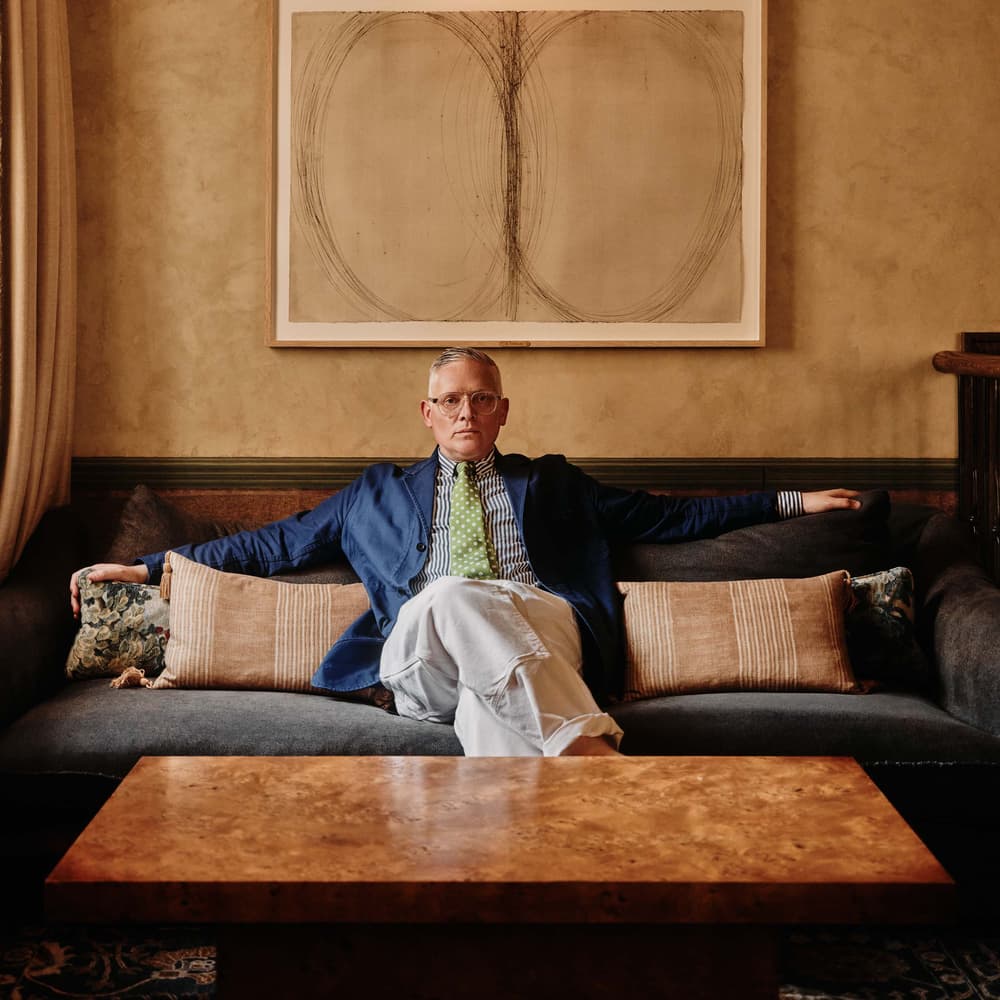
You’ve collaborated with several interiors and homeware brands. What draws you to these projects?
The boundary between a garment and a room has always felt quite artificial to me. Both are environments you inhabit - one just travels with you. When I'm designing a print or a fabric, whether it ends up on a body or a wall is almost secondary to the internal logic of the pattern itself: its rhythm, its weight, the way light moves across it. These collaborations let me think on a larger scale, which is genuinely exciting.
Can you talk us through the creative process of designing a fabric and wallpaper collection?
It often begins with something completely unrelated, which I love: an illustration from a Natural History [Museum] archive visit; a piece of embroidery seen in a museum; the natural world in general. I tend to draw obsessively first, working in ink, water-colour, and on an iPad. The repeat comes later. I have been lucky to work with some of the best printers and silk weavers in England for some time, and an essential part of the process is to spend time with them exploring traditional and modern techniques that will bring the concept into reality.
Are there any specific places in London that you return to for inspiration?
The Cast Courts at the V&A never fail me - there's something about that vast, slightly theatrical accumulation of objects from completely different cultures and centuries. Sir John Soane's Museum and the London Museum for similar reasons: it's a mind made physical. And, honestly, the streets of certain parts of London, where the visual noise is completely unedited. I love London's history and find it endlessly fascinating.
– Giles Deacon, couture designer and illustrator“At Mews House, the artwork is excellently curated, the furniture upholstered in some very beautifully patterned jacquards in muted tones, and the most delightful trompe-l’œil scenic wallpaper on the top floor is always a treat to sit below.”
We’re shooting at Soho Mews House today. What jumps out from a design perspective?
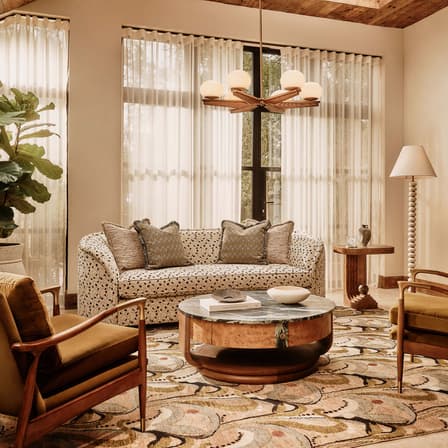
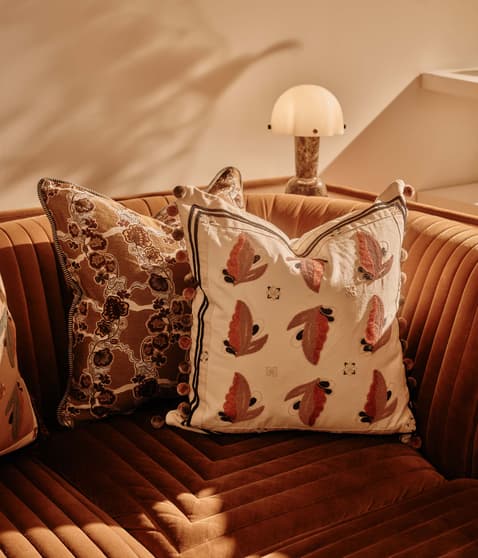
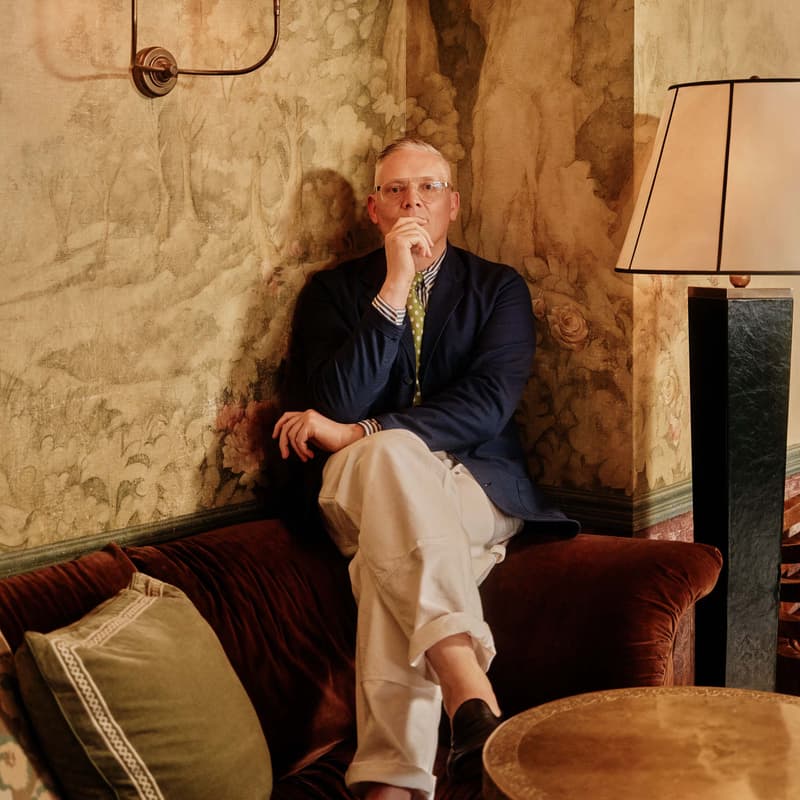
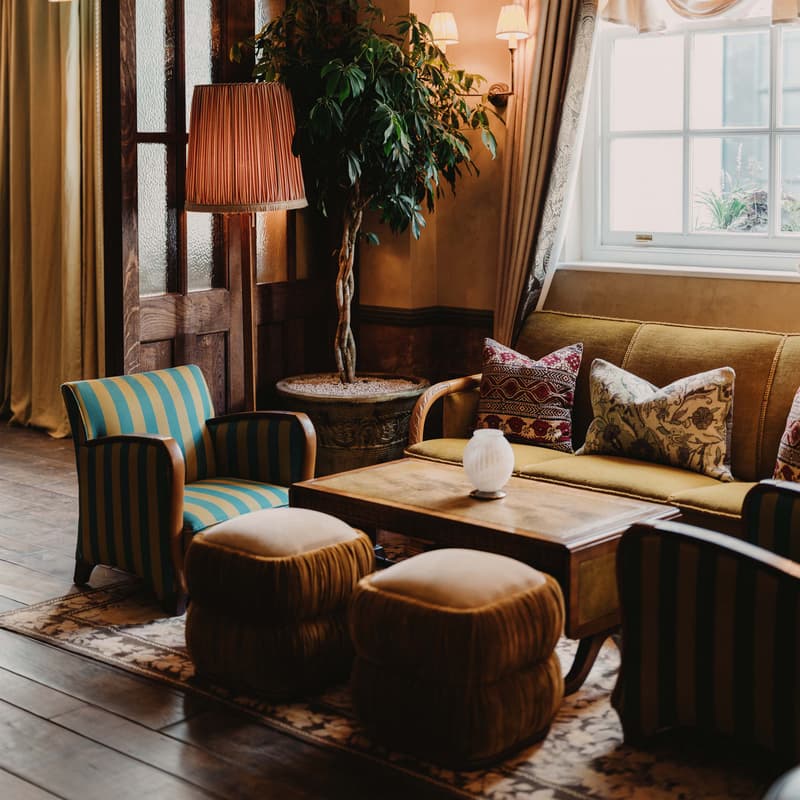
From the first time I visited, I loved the sense of it having a more 'residential' feel than some of the other clubs. As ever, the artwork is excellently curated, the furniture upholstered in some very beautifully patterned jacquards in muted tones, and the most delightful trompe-l'œil scenic wallpaper on the top floor is always a treat to sit below. The dining room in particular works excellently at both lunch and dinner, be it a more formal or informal situation, which is particularly useful and enjoyable.


Do you have a favourite Soho House?
Greek Street holds a very particular place for me - it's the original, and there's a density of historic atmosphere there that's hard to manufacture. I designed The Gilded Mischief installation there last Christmas, which gave me an unusually intimate relationship with the space. Working within a building that already carries that much history and character is a different kind of creative challenge. The best interiors always look as though they have a history that predates you, and 40 Greek Street genuinely does.
How would you describe your design language in three words?
Romantic. Rigorous. Peculiar.
What details in a home instantly catch your attention?
The books someone keeps within arm's reach - the more books, the better. A single, slightly inexplicable object - a shell on a mantelpiece, a drawing tucked into a mirror frame - that tells you something about the person who lives there that they'd never think to mention. It's always the incidental details that hold the most information. I adore bold, personal interiors that have lots of hidden personality.
What do fashion and interior design have in common?
Both are ultimately about creating a context for a life and purpose - a set of conditions in which a particular version of yourself becomes possible. And both involve this very particular act of editing: deciding what stays, what goes, what sits next to what. A personal vision of beauty is the element that will always stay with you and steer your process and practice, whatever that may be.